

Close
WHY WD LABELS

Fair business should still be good business.

Some charges become normal simply because they have always been done that way. WD Labels believes customers deserve to understand what they are paying for, why they are paying for it, and whether the job actually needs it.

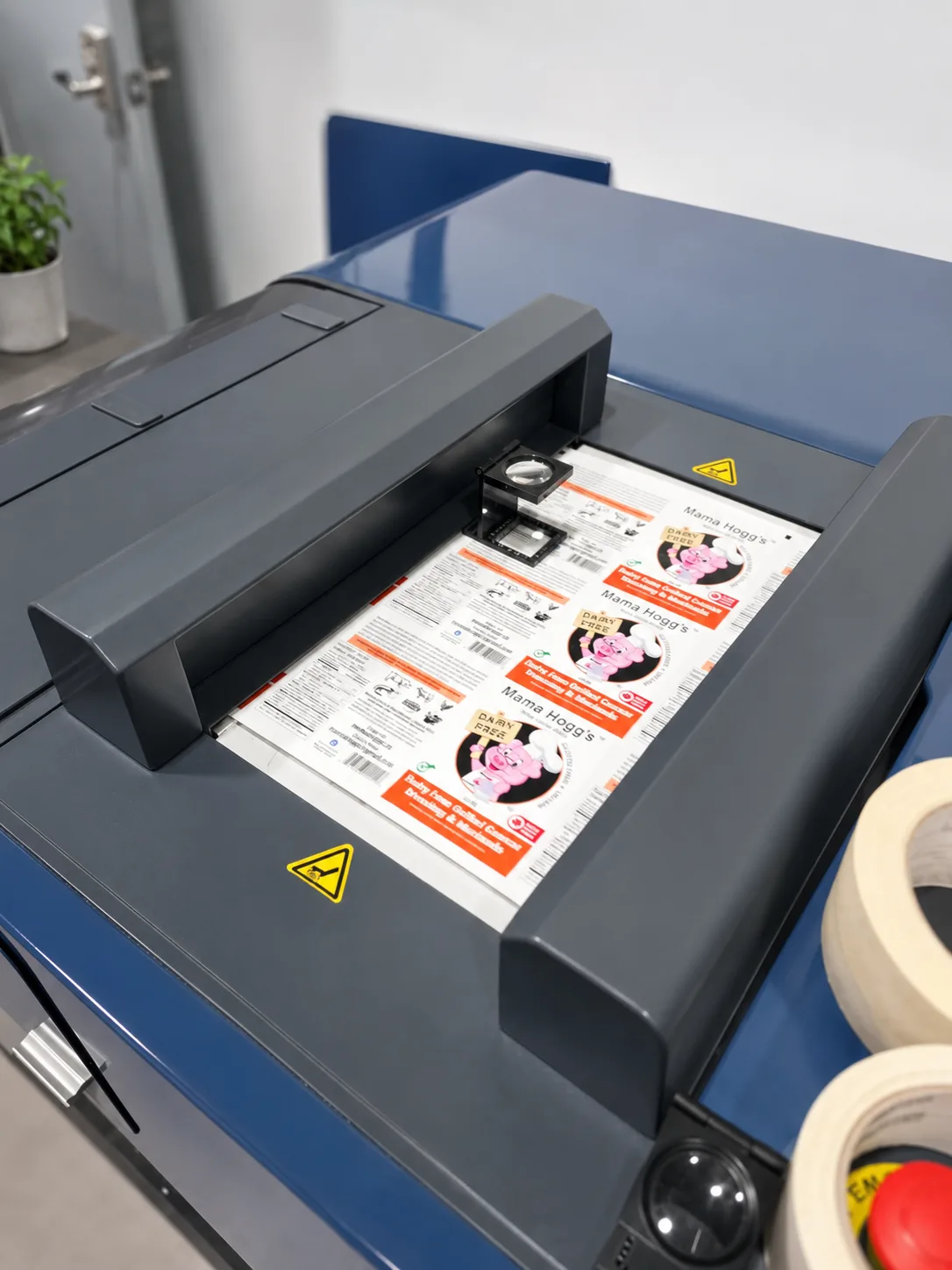
Printed labels being inspected during WD Labels production
Manufacturing decisions should make sense for the label and the customer.
Operating philosophy

Normal industry practice is not always fair practice.

A growing beverage company might launch four flavours and need only 500 labels for each one. Before the first bottle reaches a shelf, that business may already be paying for product development, ingredients, containers, photography, packaging, distribution, compliance, artwork, barcodes and tooling.

We understand how quickly those costs accumulate. We do not believe being small, new or still testing the market should automatically mean being hit with avoidable artwork charges, barcode-consulting charges, marked-up tooling and unnecessary setup fees before the labels themselves are even produced.

Fair and honest pricing

Fair pricing does not mean being the cheapest.

WD Labels needs to make a healthy profit. That profit allows us to maintain equipment, employ capable people, buy good materials, respond quickly, correct problems when they happen and keep investing in production.

But we believe profit should come from the value being created, not from finding another unavoidable line item to mark up.

We want to make more money because our customers trust us with more work, not because we found another fee to add to the invoice.
Our principles

What we believe, why it matters and what it means for customers.

01

Honest recommendations

What we believe

We should not make more money by selling a customer a more expensive construction than the job requires.

Why we believe it

If a varnish is enough for the application, we should not push laminate simply because it creates a larger invoice. If a simpler material works, we should say so.

What it means for the customer

WD Labels is comfortable telling you when an option is unnecessary. We should make more money because you buy more labels from us, not because we convinced you to buy something you did not need.
02

Routine artwork support

What we believe

Routine artwork and prepress support should be part of manufacturing the label when WD Labels is producing the order.

Why we believe it

Production files often need sizing adjustments, minor layout changes, version updates, production preparation and prepress review. Every small production adjustment should not become a separate invoice.

What it means for the customer

Reasonable routine artwork and prepress support is included when WD Labels produces the labels. Full branding, logo development and larger creative design projects may fall outside routine production support.

03

No markup on new dies

What we believe

A die is sometimes a production requirement, not a product the customer came to buy.

Why we believe it

If a physical die is required to manufacture the specified shape or size, the customer's lack of an alternative should not become an opportunity to inflate the tooling cost.

What it means for the customer

If a new die is required, WD Labels does not add a profit markup to the die itself. The customer may still pay the actual required die or tooling cost.

04

GS1 and barcode help

What we believe

Business owners launch products because they know their products, not because they want to become barcode experts.

Why we believe it

GTINs, GS1, barcode formats, QR codes and changing data can be confusing, especially for a new business. The label-side setup should be explained clearly.

What it means for the customer

Practical GS1 and barcode setup guidance related to a WD Labels label project is provided without a separate consulting charge. WD Labels is not GS1, does not issue GS1 company prefixes or GTIN ownership, and any GS1 membership or licensing fees are separate and paid to GS1 where required.

05

Four flavours should not feel like four unrelated projects.

What we believe

Real product lines have flavours, varieties, sizes, seasonal items, artwork versions and changing information.

Why we believe it

A customer ordering 500 labels each across four SKUs is building a product line, not four unrelated relationships with a printer.

What it means for the customer

We organize multi-SKU work around artwork versions, SKU organization, variable information, practical batching and production planning. Some SKUs may still create real production differences, but the process should reduce unnecessary friction and fees.

06

A small first run does not mean a small customer.

What we believe

A first run of 500 labels across several SKUs may represent careful growth, not a lack of ambition.

Why we believe it

Customers may be testing demand, launching in a few stores, validating packaging, introducing new flavours or protecting cash flow.

What it means for the customer

Manufacturing economics still exist, and small runs will not always have the same unit price as large volumes. The principle is that customers should not face unnecessary penalties simply because they are starting smaller.

07

Labels are often one of the last things standing between a product and a shipment.

What we believe

Responsive production matters because labels often sit near the end of a customer's launch, packing or shipping timeline.

Why we believe it

Unnecessarily long lead times can hold up finished products, store commitments and customer cash flow.

What it means for the customer

Typical production: 3 business days after proof approval.

Timing starts after proof approval and specification confirmation. This is typical production timing, not a universal guarantee; unusual materials, tooling, project complexity or changing requirements may require more time.

08

Real people

What we believe

Online tools can be useful, but customers should be able to reach people who understand label manufacturing when the project needs attention.

Why we believe it

Artwork may not fit, a barcode may need review, material may be uncertain, a package may change, a SKU may need updating or something may go wrong.

What it means for the customer

You can work with people who understand the label, the production steps and the practical tradeoffs rather than being left alone with an order portal.

What fair means to us

Fair is practical, not performative.

  • Fair means recommending what the job actually needs.
  • Fair means explaining what you are paying for.
  • Fair means charging enough to do the work properly.
  • Fair means not inventing a fee simply because the industry says we can.
  • Fair means admitting when a less expensive option will work.
  • Fair means standing behind the work when something goes wrong.
  • Fair means treating today's 500-label launch with the same respect as tomorrow's 50,000-label program.
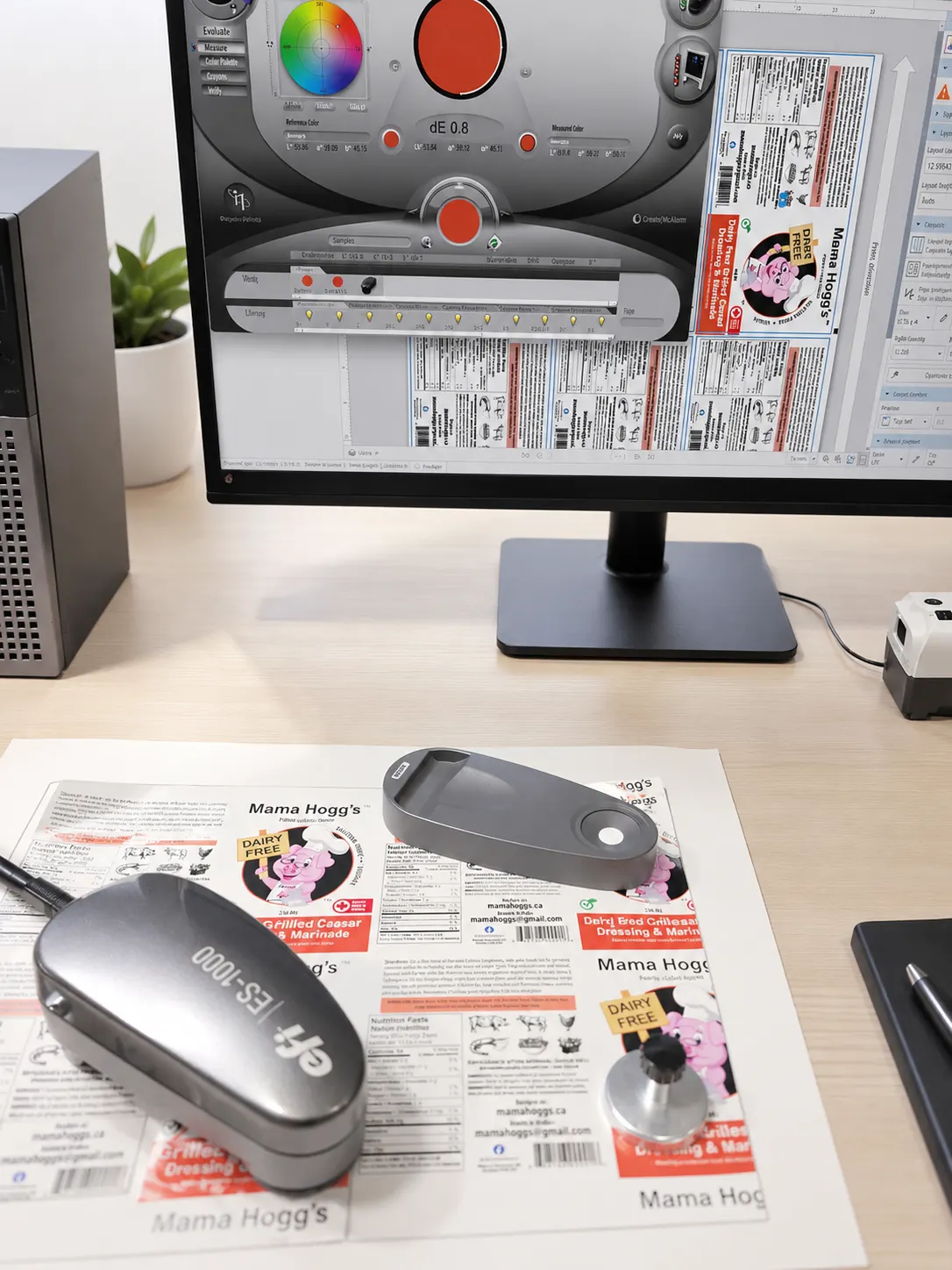
Label artwork and colour being reviewed at the WD Labels proofing workspace
Doing the right thing

Do the right thing, even when it costs us.

Sometimes that means recommending the less expensive construction, redoing work when we made the mistake, telling a customer an option is unnecessary, taking additional time to solve a production issue or being transparent when expectations need to change.

This is a company principle, not legal warranty language. It is how we want decisions to be made when the easy answer and the right answer are not the same.

Customer growth

When our customers grow, we grow.

WD Labels benefits most when customers launch successfully, add products, enter more stores, increase volumes, introduce more SKUs and keep coming back. Helping a customer avoid an unnecessary expense today can still be good business for WD Labels tomorrow.

Partnership

Fair works both ways.

Good partnerships also need clear project information, accurate supplied data, timely proof approvals, realistic expectations and communication when requirements change.

WD Labels commits to fairness and asks customers to work openly with the team as well. That is how both businesses end up better off after working together.

Start the conversation

Looking for a label partner that will tell you what the job really needs?

Project inquiries

Ready to discuss your labels?

Tell us about your label size, quantity, application and artwork. We’ll review your requirements and help determine the right next step.